Autism Assessment in Edmonton & St. Albert for children, teens, & Adults

Multi-disciplinary autism assessments for children, youth, and adults in Edmonton & St. Albert. We love to learn about you or your child as a whole person; we can help identify areas of strength to build on, and areas of challenge to work on - together!

Our evaluations provide insights into social-communication skills, sensory processing, and adaptive strengths. We work to understand each individual's neurodevelopmental profile and develop strategies that support success and wellbeing in all areas of life.

Understanding

Autism Assessments

Autism is a natural variation in how the brain works, affecting how a person communicates, interacts socially, processes sensory information, and experiences the world. Every autistic individual is unique, with their own pattern of strengths, interests, and support needs.

A comprehensive autism assessment is essential for:

  • Obtaining an accurate diagnosis

  • Understanding your or your child's unique profile

  • Identifying strengths to build upon

  • Accessing appropriate support services and funding

  • Developing tailored intervention strategies

  • Advocating for accommodations in school or work settings

  • Gaining clarity and self-understanding

Autism assessments for children, youth, and adults in Edmonton & St. Albert

What’s included: Investment &

Insurance Coverage

Priced at $2,942, this assessment includes:

  • What It Is:

    • We begin with an in-depth interview to gather essential developmental, medical, social, and behavioral history.

    For Children and Youth:

    Parents or caregivers provide detailed information about:

    • Developmental milestones (when did they start talking, walking, etc.)

    • Early childhood behaviors and social interactions

    • Current concerns and challenges

    • Strengths and interests

    • Behavioral patterns at home, school, and in the community

    • Sensory sensitivities or preferences

    • Communication style and abilities

    For Adults:

    We conduct a self-report interview, along with gathering information from family members (when possible) about:

    • Childhood developmental history

    • Current social, occupational, and daily living challenges

    • Strengths and areas of interest

    • Previous diagnoses or assessments

    • Goals for the assessment

    Why It Matters:

    • This detailed background information is crucial for understanding the individual's unique profile and interpreting assessment results accurately. Your insights provide context that standardized tests alone cannot capture.

  • The Autism Diagnostic Observation Schedule, Second Edition (ADOS-2) is the gold-standard, internationally recognized assessment tool for evaluating autism spectrum disorder.

    How It Works:

    The ADOS-2 involves a series of structured and semi-structured activities designed to observe:

    • Social communication and interaction

    • Restricted and repetitive behaviors

    • Play skills (for younger children)

    • Conversation and social reciprocity

    • Use of gestures, facial expressions, and eye contact

    What It Looks Like:

    • For younger children: Play-based activities, interactive games, and social tasks

    • For older children and teens: Conversation tasks, social scenarios, and structured activities

    • For adults: Interview-style conversation combined with interactive tasks

    The assessment is conducted in a comfortable, supportive environment and feels natural and engaging for the individual being assessed.

    Why It's Important:

    • The ADOS-2 provides standardized, reliable observations of social communication and behavior that are essential for accurate autism diagnosis. It's recognized by professionals, schools, and support services worldwide.

  • We assess behavioral patterns, emotional regulation, and social-emotional functioning to understand how autism may impact daily life.

    What We Evaluate:

    • Social skills and peer relationships

    • Emotional regulation and coping strategies

    • Adaptive behaviors (self-care, independence)

    • Restricted interests and repetitive behaviors

    • Sensory sensitivities and responses

    • Attention and executive functioning

    • Anxiety, depression, or other emotional challenges (common in individuals with autism)

    Assessment Tools May Include:

    • Behavioral rating scales (completed by parents, teachers, or self-report)

    • Direct observation during assessment activities

    • Structured interviews about daily functioning

    Why It Matters:

    • Autism affects more than just social communication—it impacts emotional well-being, daily routines, sensory experiences, and overall quality of life. Understanding these areas allows us to provide comprehensive, holistic recommendations.

  • After completing all assessment components, we schedule a thorough debrief meeting to discuss our findings, answer your questions, and provide guidance.

    What Happens:

    • We explain the assessment results in clear, compassionate, and understandable language

    • We discuss whether diagnostic criteria for autism spectrum disorder are met

    • We review your or your child's unique strengths and areas of challenge

    • We provide specific, actionable recommendations for support, therapy, accommodations, and resources

    • We answer all your questions and address your concerns

    • We discuss next steps, including referrals and available services in your area

    Timing:

    • The debrief meeting is scheduled within 2-3 weeks of the assessment date.

    Why It Matters:

    • We want to ensure you fully understand the results and feel empowered to move forward with confidence. This is an opportunity for open dialogue, collaborative planning, and compassionate support.

  • You will receive a comprehensive written report that documents all assessment findings, diagnostic impressions, and recommendations.

    What's Included:

    • Detailed background and developmental history

    • Description of all assessment tools and procedures used

    • Test scores and interpretations

    • Observations of behavior, communication, and social interaction

    • Diagnostic summary (including whether ASD criteria are met according to DSM-5 standards)

    • Strengths and areas of challenge

    • Specific, individualized recommendations for:

    • Parents and family members

    • Teachers and school teams

    • Therapists and other professionals

    • Workplace accommodations (for adults)

    • Referrals to additional services, therapies, or support programs

    • Resources and next steps

    Report Length:

    • Typically 20-30 pages, providing a thorough and professional document.

    Why It Matters:

    This report serves as essential documentation for:

    • Accessing therapy services and support programs

    • Applying for funding (e.g., Family Support for Children with Disabilities, AISH)

    • Advocating for school accommodations or IEP development

    • Workplace accommodations

    • Self-understanding and advocacy

    • Medical and therapeutic planning

  • Good News: Most Extended Health Benefit Plans Cover Autism Assessments

    Autism spectrum disorder assessments conducted by registered Psychologists and Speech-Language Pathologists are typically covered by extended health insurance plans under Psychological services and Speech Therapy services.

    What to Know:

    • Coverage amounts and annual limits vary by insurance plan

    • Most plans cover psychology services with limits ranging from $500-$2,000+ per year

    • Some plans cover the full cost; others cover a portion

    • We recommend checking with your insurance provider before scheduling to understand your specific benefits

    How It Works:

    • We provide detailed receipts with all necessary information for insurance reimbursement

    • Receipts clearly itemize services by practitioner (psychologist and speech-language pathologist)

    • You submit the receipt to your insurance provider for reimbursement

    • We do not offer direct billing at this time

    • The assessment it billed as follows: 10 hours under Psychology, 4 hours under Speech-Language Pathology

    • Any remaining balance not covered by insurance can be claimed as a medical expense on your taxes

    Check With Your Provider:

    Before booking, we encourage you to contact your insurance company and ask:

    • "Does my plan cover autism assessments by a registered psychologist?"

    • "Does my plan cover speech-language pathology services?"

    • "What are my annual coverage limits for psychological services and speech-language pathology?"

    • "Do I need a referral from a physician for coverage?"

Multi-disciplinary autism assessments for children in Edmonton

Additional

Assessment Options

We understand that each child is unique, which is why we offer additional assessment options to address specific concerns.

If you wish to add one or more of these areas of assessment, additional fees may apply.

  • You may wish to also have your child assessed in the areas of cognition, learning and social-emotional development.

    You can learn more about our psychoeducational assessments by visiting here.

  • For children exhibiting signs of attention difficulties or hyperactivity, we utilize the Conners-3, a gold-standard tool for screening Attention-Deficit/Hyperactivity Disorder (ADHD) symptoms. This assessment provides valuable insights into:

    • Inattention and distractibility levels

    • Hyperactivity and impulsivity

    • Executive functioning skills

    By identifying ADHD symptoms early, we can recommend appropriate interventions, accommodations, and support services available in Edmonton, St. Albert and surrounding areas. This evaluation is particularly beneficial for children struggling with focus at home or academic settings.

    If parents consent, we are always open to collaborating with a child's school team to learn more about how the child functions in other areas of their daily life.

    There's no additional cost in adding an ADHD assessment to your autism assessment.

  • Anxiety can significantly impact a child's learning and communication abilities. We offer age-appropriate anxiety assessments to evaluate anxiety levels across different age groups:

    • PAS (Preschool Anxiety Scale) for younger children

    • SCARED (Screen for Child Anxiety Related Disorders) for school-age children

    • BAI (Beck Anxiety Inventory) for teens and adults

    These tools help us understand the nature and severity of anxiety symptoms, allowing us to tailor our speech therapy and educational recommendations accordingly. We can guide you towards appropriate mental health resources in your area and suggest strategies to manage anxiety in various settings.

The Power of

Two Disciplines

Autism spectrum disorder affects multiple areas of functioning—social interaction, communication, behavior, and cognition. A single professional cannot fully capture this complexity. That's why our multidisciplinary approach is powerful.

  • What a Psychologist Brings:

    • In-depth understanding of behavior, cognition, and development

    • Expertise in social-emotional functioning and mental health

    • Skill in administering and interpreting the ADOS-2 (gold standard autism assessment)

    • Ability to assess cognitive abilities, adaptive functioning, and executive skills

    • Knowledge of co-occurring conditions (ADHD, anxiety, learning disabilities)

    Why It Matters:

    • A psychologist can evaluate the broader behavioral and cognitive patterns that characterize autism, identify strengths and challenges, and differentiate autism from other developmental or psychological conditions.

  • What a Speech-Language Pathologist Brings:

    • Specialized knowledge of communication development and disorders

    • Expertise in language assessment (expressive, receptive, pragmatic)

    • Skill in evaluating social communication skills

    • Understanding of nonverbal communication (gestures, eye contact, facial expressions)

    • Ability to assess conversational abilities, perspective-taking, and social language

    Why It Matters:

    • A speech-language pathologist provides critical insights into how autism affects communication—one of the core diagnostic features. They can identify specific language strengths and needs that inform diagnosis and intervention planning.

Better Together

When a psychologist and speech-language pathologist work together, you receive:

  • A more accurate diagnosis: Two professionals observing from different perspectives reduces the risk of misdiagnosis

  • Comprehensive evaluation: All areas of functioning are thoroughly assessed

  • Richer insights: Different disciplinary lenses reveal a fuller picture of strengths and challenges

  • Holistic recommendations: Interventions address communication, behavior, cognition, and social-emotional needs

  • Collaborative expertise: Our team discusses findings together to ensure consistency and accuracy

The Result:

  • A thorough, accurate, and compassionate assessment that leads to effective intervention planning and meaningful support.

Autism assessments for adults in Edmonton & St. Albert

Meet the Team

Autism Assessments St. Albert
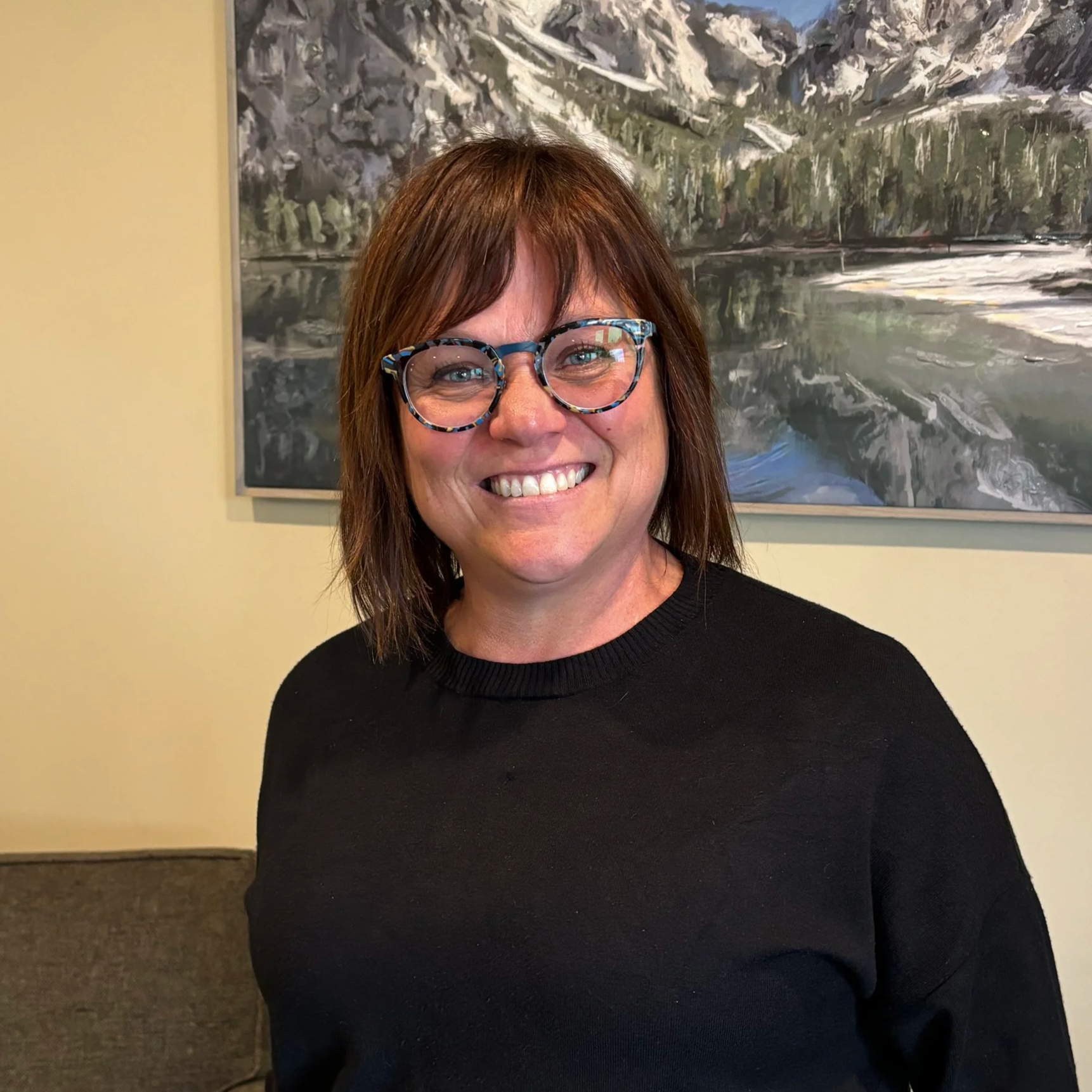
  • Hi, I'm Alison Lessard, a Registered Psychologist with 30 years of experience supporting children and their families. I've spent much of my career working in school settings and providing autism assessments for children, teens, and adults. My approach focuses on making the diagnostic process as clear and supportive as possible for families.

    I provide trauma-informed evaluations that help identify neurodivergent profiles while working closely with you every step of the way. I'm trained in the Autism Diagnostic Observation Scale - 2nd Edition (ADOS-2), which is a gold standard tool for evaluating autism spectrum disorder.
Autism Assessments Edmonton
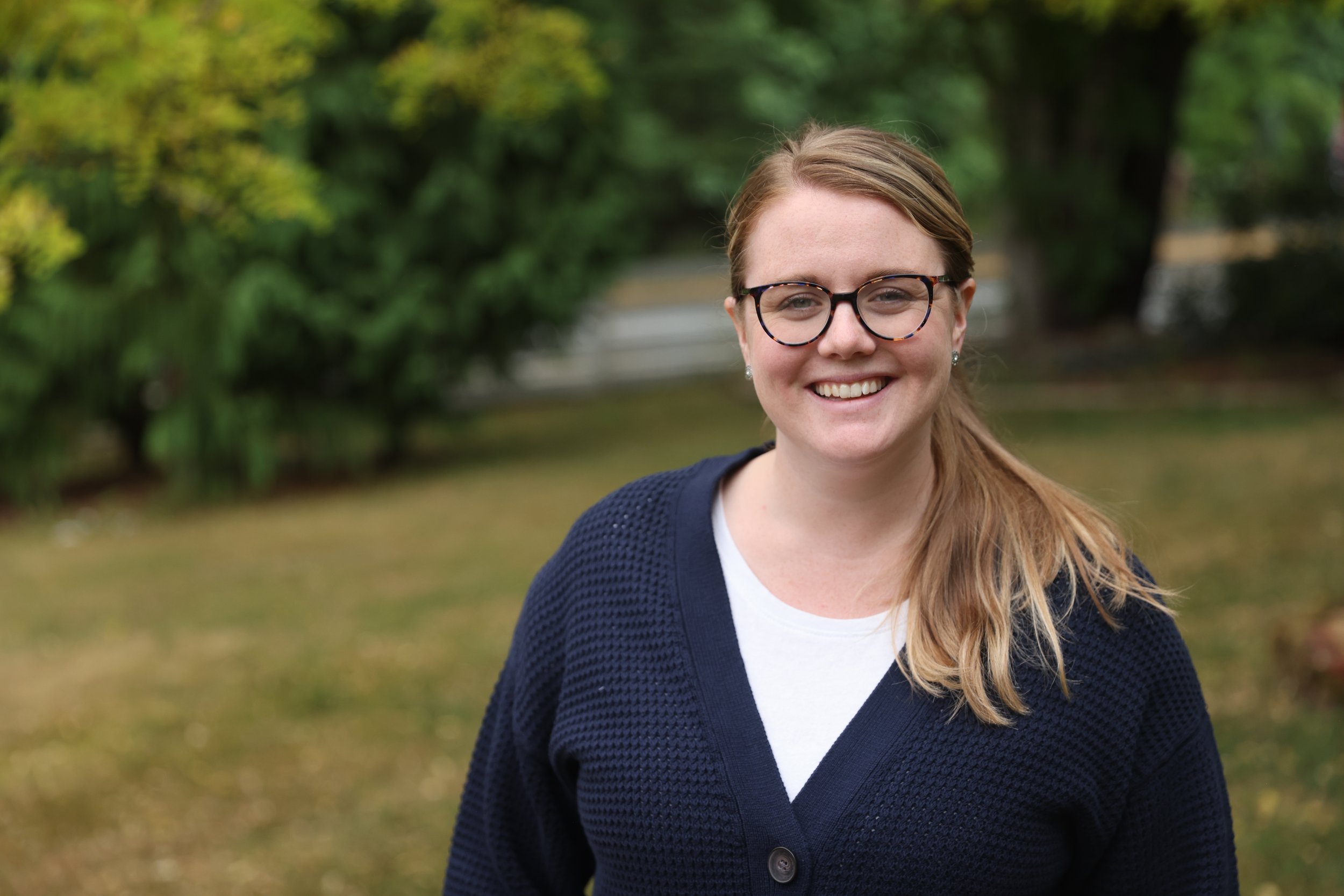
  • Hi, I'm Paulina Vazquez, a Registered Speech-Language Pathologist with 9 years of experience supporting autistic individuals and their families with speech, language, and communication development. I've worked with people of all ages—infants, toddlers, children, teens, and adults—always meeting them where they are and using their strengths and interests to help them grow in ways that matter most to their lives.

    I've participated in ongoing, focused training throughout my career, which has allowed me to be on the Registry of Autism Service Providers in BC since 2019. I'm also trained in the Autism Diagnostic Observation Scale - 2nd Edition (ADOS-2), a gold standard tool for evaluating autism spectrum disorder.

Why This Investment Matters

An autism assessment is a life-changing investment. For many individuals and families, receiving an autism diagnosis provides:

  • Clarity and understanding about themselves or their child

  • Access to services such as speech therapy, occupational therapy, and behavioral support

  • Eligibility for funding (e.g., Family Support for Children with Disabilities, AISH, PUF)

  • School accommodations that support learning and social success

  • Workplace accommodations that enable adults to thrive professionally

  • Self-advocacy skills and a framework for understanding strengths and needs

  • Community and connection with others who share similar experiences

Many families and individuals find that the insights, support, and opportunities that follow a comprehensive autism assessment are invaluable.

What to Expect: The Autism Assessment Process

  • Reach out to our team to discuss your concerns and learn about our autism assessment process.

    What Happens:

    • You'll speak with a member of our team about the individual's challenges, behaviors, and your goals for the assessment

    • We'll explain what the assessment includes, how it works, and answer your initial questions

    • We'll discuss pricing, insurance coverage, and scheduling

    • We'll determine if our autism assessment is the right fit for your needs

    Next Steps:

    • If you decide to move forward, we'll schedule your interview and assessment appointments.

  • The individual (child, youth, or adult) will participate in the ADOS-2 assessment and additional evaluations with our Psychologist and Speech-Language Pathologist.

    What to Expect:

    • The ADOS-2 involves engaging, structured activities (play, conversation, social tasks)

    • Cognitive and language assessments may be conducted

    • Behavioral observations occur throughout

    • Breaks are provided as needed

    • The environment is comfortable, supportive, and judgment-free

    What It Looks Like:

    • For children: Play-based activities, games, interactive tasks

    • For teens and adults: Conversation, social scenarios, structured tasks

    Preparation Tips:

    • For children: Explain that they'll be doing activities, playing games, and talking with friendly professionals

    • For adults: Come with an open mind and be yourself—there are no right or wrong answers

    • Bring any comfort items, favorite snacks, or sensory supports if needed

    Location:

    • All assessments are conducted in-person at our St. Albert location in comfortable, sensory-friendly rooms.

  • Before the formal assessment, we gather detailed background information through an in-depth interview.

    For Parents/Caregivers:

    We'll discuss your child's:

    • Developmental history and milestones

    • Social and communication behaviors

    • Behavioral patterns, interests, and routines

    • Sensory sensitivities

    • Strengths and challenges across settings

    • Current functioning at home, school, or in the community

    For Adults Seeking Assessment:

    We'll discuss:

    • Your childhood developmental history (with input from family, if possible)

    • Current social, communication, and occupational challenges

    • Strengths, interests, and preferences

    • Previous diagnoses or assessments

    • Your goals and questions

    Format:

    • This interview can be conducted in-person at our St. Albert location.

    Why It's Important:

    • This conversation provides essential context for interpreting assessment results and understanding your unique profile.

  • After the assessment, our team carefully scores all tests, analyzes results, and collaborates to write a comprehensive report.

    What Happens:

    • Assessment data is reviewed and interpreted

    • The Psychologist and Speech-Language Pathologist discuss findings together

    • Diagnostic impressions are formed based on DSM-5 criteria

    • Specific, individualized recommendations are developed

    • A detailed report is written

    Timeline:

    • This thorough process typically takes 2 weeks to complete.

  • We schedule a meeting to review the assessment findings, discuss the diagnosis, and answer all your questions.

    What We Cover:

    • Explanation of all assessment results

    • Discussion of whether autism spectrum disorder diagnostic criteria are met

    • Review of strengths and areas of challenge

    • Social communication and behavioral patterns observed

    • Co-occurring challenges (if identified)

    • Detailed recommendations for support, therapy, and accommodations

    • Resources, referrals, and next steps

    Your Opportunity:

    • Ask questions, seek clarification, and discuss how to move forward with confidence and support.

    Timeline:

    • The debrief meeting is typically scheduled within 2-3 weeks of the assessment date.

  • Following the debrief, you'll receive your detailed diagnostic and interpretive report.

    What You'll Receive:

    • A professional, comprehensive report

    • Diagnostic summary and DSM-V criteria analysis

    • Test scores and interpretations

    • Behavioural observations and clinical impressions

    • Specific recommendations tailored to your needs

    • Resources and referrals

    How to Use It:

    • Access therapy services (speech therapy, occupational therapy)

    • Apply for funding and support programs; apply for disability tax credit

    • Advocate for school accommodations or IEP development

    • Request workplace accommodations (for adults)

    • Share with medical and therapeutic professionals

    • Develop self-understanding and advocacy skills

  • Our support doesn't end when you receive your report. We're here to help you navigate next steps.

    Ongoing Support:

    • Questions about the report or recommendations? Reach out anytime.

    • Need help communicating findings to schools or other professionals? We can provide guidance.

    • Looking for therapy or support services? We can refer you to appropriate resources in your area.

    School and Workplace Collaboration:

    • With your consent, we're happy to communicate with schools, employers, or other professionals to discuss findings and recommendations.

    Follow-Up:

    • If new concerns arise or circumstances change, we're here to support you.

FAQ

An autism assessment is a structured clinical evaluation -- also referred to as an ASD evaluation -- designed to determine whether a person meets the diagnostic criteria for autism spectrum disorder (ASD) as outlined in the DSM-5. It is not a single test -- it involves multiple components conducted by qualified professionals who examine social communication, behaviour, developmental history, and adaptive functioning.

At Ruby Therapy, the autism assessment is multidisciplinary, meaning it is conducted by both a registered psychologist and a registered speech-language pathologist. The process typically includes:

  • Parent or caregiver interview -- gathering developmental history, medical background, behavioural patterns, and sensory sensitivities
  • ADOS-2 (Autism Diagnostic Observation Schedule) -- the gold-standard observational tool used internationally
  • Behavioural and social-emotional evaluation -- assessing social skills, emotional regulation, adaptive behaviour, and executive functioning
  • Comprehensive debrief meeting -- scheduled two to three weeks after the assessment to discuss findings and recommendations
  • Detailed written report -- a 20 to 30 page document that includes background information, test results, diagnostic impressions, and individualized recommendations

A formal diagnosis through this ASD diagnostic test process can open doors to funding programs, school-based supports, and targeted therapies such as speech-language therapy or occupational therapy.

Knowing what to expect can help reduce anxiety for both the individual being assessed and their family. An autism assessment at Ruby Therapy is a structured but welcoming ASD evaluation designed to gather a complete picture of communication, social interaction, behaviour, and development.

Before the assessment: You will be asked to complete intake forms covering developmental history, medical background, and current concerns. Gathering reports from teachers, previous therapists, or physicians can also be helpful, though not required.

During the assessment: - A registered psychologist and a registered speech-language pathologist work together across the evaluation - The parent or caregiver interview covers milestones, communication patterns, sensory sensitivities, behavioural observations, and daily routines - The ADOS-2 session involves activities that feel like structured play for younger children -- clinicians observe social communication, eye contact, gestures, imaginative play, and responses to social cues - Standardized rating scales measure emotional regulation, adaptive behaviour, social skills, and executive functioning

The atmosphere is designed to help the individual feel comfortable. For children, activities are engaging and age-appropriate. For teens and adults, the format is conversational and respectful.

After the assessment: Within two to three weeks, a comprehensive debrief meeting walks families through the findings, including any diagnosis, identified strengths, and specific recommendations. A detailed written report of 20 to 30 pages follows. If therapy is recommended, Ruby offers speech-language therapy, occupational therapy, and counselling on-site.

Autism diagnosis relies on a combination of standardized ASD diagnostic test instruments and clinical judgement -- there is no single blood test or brain scan that can identify autism. The most widely used tools include:

  • ADOS-2 (Autism Diagnostic Observation Schedule, Second Edition) -- The gold-standard observational tool used internationally. A trained clinician administers structured activities to observe social communication, play, gestures, eye contact, and repetitive behaviours. The ADOS-2 has different modules for different age groups and language levels. Ruby Therapy uses the ADOS-2 as a core component of every autism assessment.
  • ADI-R (Autism Diagnostic Interview-Revised) -- A detailed parent or caregiver interview covering developmental history, communication, social interaction, and patterns of behaviour.
  • CARS-2 (Childhood Autism Rating Scale) -- A rating scale that helps clinicians determine the level of support an individual may need.
  • SRS-2 (Social Responsiveness Scale) -- A questionnaire completed by parents or teachers that measures social communication and restricted behaviours in everyday settings.
  • Standardized cognitive and adaptive behaviour measures -- Tools that assess intellectual functioning, daily living skills, and executive functioning to build a complete profile.

At Ruby Therapy, assessments are conducted by a registered psychologist and a registered speech-language pathologist, combining expertise in behavioural observation with in-depth analysis of communication and language.

The total time investment depends on the clinic and the complexity of the individual's presentation, but a comprehensive ASD evaluation typically involves several hours of direct clinical work spread across multiple sessions, plus additional time for scoring, report writing, and the debrief meeting.

At Ruby Therapy, the assessment includes approximately 10 hours of psychology services and 4 hours of speech-language pathology services. This breaks down into:

  • Parent or caregiver interview -- typically 1.5 to 2 hours
  • ADOS-2 observation -- approximately 45 minutes to 1 hour of direct interaction, depending on the module used
  • Behavioural and social-emotional evaluation -- additional direct observation and rating scale administration
  • Scoring, analysis, and report writing -- significant clinical time behind the scenes to integrate all findings into a cohesive 20 to 30 page report
  • Debrief meeting -- scheduled two to three weeks after the assessment, lasting approximately one hour

From start to finish -- initial appointment through to receiving the written report -- families should plan for a timeline of roughly three to five weeks. Private clinics like Ruby Therapy often have shorter wait times than public pathways such as hospital-based programs. To begin the process, families can contact the clinic directly at (587) 410-9791.

Understanding how to get an ASD diagnosis in Alberta involves a few steps, and knowing your options can help you move forward more quickly.

Step 1: Identify your concerns. If you have noticed differences in your child's social communication, behaviour, play, or sensory responses, documenting specific observations can be helpful. The CDC provides a useful starting point for understanding what to look for at different ages.

Step 2: Talk to your family physician or paediatrician. A doctor can provide a referral to a public assessment program, such as the Glenrose Rehabilitation Hospital in Edmonton. However, public wait times in Alberta often exceed one year.

Step 3: Consider a private assessment. Private clinics offer the same diagnostic tools -- including the ADOS-2 -- with significantly shorter wait times. At Ruby Therapy, assessments are conducted by a registered psychologist and a registered speech-language pathologist using a multidisciplinary approach. No physician referral is needed to book a private assessment.

Step 4: Prepare for the assessment. Gather any relevant reports from teachers, previous therapists, or physicians. Complete the intake forms the clinic provides.

Step 5: Attend the assessment and debrief. After the assessment, the team provides a comprehensive debrief and a detailed written report with diagnostic conclusions and recommendations.

A formal ASD diagnosis can unlock access to Alberta's Family Support for Children with Disabilities (FSCD) program, school-based supports, and targeted therapies. To start the process at Ruby Therapy, contact the clinic at (587) 410-9791.

For families wondering how much an autism diagnosis costs in Canada, the answer varies by province and clinic. In Alberta, a private autism assessment typically ranges from $2,500 to $4,000 or more, depending on the professionals involved and the depth of testing.

At Ruby Therapy, the comprehensive multidisciplinary autism assessment includes:

  • Registered psychology and speech-language pathology services working together
  • Parent or caregiver interview
  • ADOS-2 administration (gold-standard diagnostic tool)
  • Behavioural and social-emotional evaluation
  • Comprehensive debrief meeting (two to three weeks post-assessment)
  • Detailed 20 to 30 page written report with diagnostic conclusions and recommendations

The cost of a private autism assessment depends on the professionals involved, the scope of testing, and the depth of the evaluation. Factors that influence pricing include whether the assessment is multidisciplinary, whether the ADOS-2 is included, and how comprehensive the written report is.

Insurance coverage: Most extended health benefit plans cover registered psychology and speech-language pathology services. Ruby Therapy provides receipts that families can submit for reimbursement. Check your plan's annual limits for each discipline, as the assessment bills separately under psychology and speech-language pathology.

Government funding: Families with children under 18 may be eligible for Alberta's Family Support for Children with Disabilities (FSCD) program, which can help cover assessment and therapy costs.

For current rates, contact Ruby Therapy or call (587) 410-9791.

A private autism assessment for children in Alberta typically costs between $2,500 and $4,000, depending on the clinic, the professionals involved, and the scope of the evaluation. Across Canada, autism diagnosis costs vary by province, but Alberta falls within the mid-range nationally. Some clinics charge more if additional cognitive or academic testing is included.

At Ruby Therapy, the comprehensive multidisciplinary autism assessment for children covers the full diagnostic process, including a parent interview, ADOS-2 administration, behavioural and social-emotional evaluation, a debrief meeting, and a detailed 20 to 30 page report with individualized recommendations. For current rates, contact Ruby Therapy or call (587) 410-9791.

The assessment is conducted by a registered psychologist and a registered speech-language pathologist, which means the evaluation covers both behavioural and communication dimensions.

Ways to offset the cost:

  • Extended health benefits -- Most plans cover registered psychology and speech-language pathology. Ruby Therapy provides receipts for each discipline so families can submit for reimbursement.
  • FSCD funding -- Alberta's Family Support for Children with Disabilities program may help cover assessment costs for children under 18 with a confirmed or suspected disability.
  • Tax deductions -- Assessment fees for a registered psychologist and speech-language pathologist are eligible medical expenses under the Canada Revenue Agency.

While the cost is a significant consideration, a formal diagnosis provides access to school-based accommodations, government funding, and targeted therapeutic support.

A private autism assessment for adults in Alberta typically costs between $2,500 and $4,500, depending on the clinic and the scope of the evaluation. Adult assessments sometimes involve additional components -- such as gathering collateral information from family members or reviewing historical records -- which can affect the total fee.

At Ruby Therapy, the comprehensive multidisciplinary autism assessment is available for children, teens, and adults. The assessment includes a clinical interview (with family input when available), ADOS-2 administration, behavioural and social-emotional evaluation, a debrief meeting, and a detailed 20 to 30 page written report. For current rates, contact Ruby Therapy or call (587) 410-9791.

Why adults seek assessment: Many adults pursue an autism assessment after years of feeling different without a clear explanation. Some recognise themselves in a child's diagnosis, while others encounter the concept through personal research. Women and girls are particularly underdiagnosed, with many not receiving a diagnosis until adulthood.

Insurance and funding for adults: - Extended health benefits -- Most plans cover registered psychology and speech-language pathology services. Ruby Therapy provides receipts for both disciplines for reimbursement. - Alberta Adult Disability Services -- Adults who receive a diagnosis may qualify for support through Persons with Developmental Disabilities (PDD) or other provincial programs. - Tax deductions -- Fees for registered psychologists and speech-language pathologists are eligible medical expenses.

A diagnosis in adulthood can bring clarity, self-understanding, and access to accommodations in the workplace or post-secondary education. To learn more or book, contact Ruby Therapy.

The cost reflects the significant amount of professional time, specialized training, and clinical expertise required to conduct a thorough and accurate ASD evaluation. Unlike a standard appointment, an autism assessment involves multiple hours of direct clinical work, extensive behind-the-scenes analysis, and a comprehensive written report.

Here is what the fee typically covers:

  • Multiple professionals -- A quality assessment involves more than one discipline. At Ruby Therapy, the team includes a registered psychologist and a registered speech-language pathologist, totalling approximately 14 hours of professional time (10 psychology + 4 speech-language pathology).
  • Specialized training -- Administering the ADOS-2 requires intensive, ongoing clinical training. Not every psychologist is qualified to administer this tool.
  • Parent or caregiver interview -- A thorough developmental history interview that can take 1.5 to 2 hours.
  • Direct observation and testing -- ADOS-2 administration, behavioural rating scales, and social-emotional evaluation.
  • Scoring and analysis -- Integrating data from multiple sources requires significant clinical judgement.
  • Report writing -- The final report is typically 20 to 30 pages, detailing background, test results, diagnostic conclusions, and individualized recommendations.
  • Debrief meeting -- A dedicated session to discuss findings with the family.

Most extended health benefit plans provide partial reimbursement under psychology and speech-language pathology coverage. Alberta's FSCD program may also help eligible families offset costs. For current rates, contact Ruby Therapy or call (587) 410-9791.

In Alberta, private autism assessments are not covered by the provincial health care plan (Alberta Health Care Insurance Plan), but most extended health benefit plans through employers do cover the professional services involved.

At Ruby Therapy, the assessment bills as registered psychology services and speech-language pathology services. This means families can submit receipts under two separate benefit categories:

  • Registered psychologist coverage
  • Speech-language pathologist coverage

Many plans have annual maximums for each discipline (for example, $1,000 to $2,500 per year per category). Submitting under both categories can increase the total reimbursement. Ruby Therapy provides itemized receipts for insurance purposes but does not offer direct billing.

Other ways to offset the cost:

  • FSCD funding -- Alberta's Family Support for Children with Disabilities program may cover or reimburse assessment costs for eligible families with children under 18.
  • Jordan's Principle -- First Nations children may be eligible for assessment funding through Jordan's Principle, which covers health, social, and educational needs.
  • Tax deductions -- Fees for registered psychologists and speech-language pathologists qualify as eligible medical expenses under the Canada Revenue Agency.

Before booking, it is worth checking your specific plan details -- including annual limits and whether a physician referral is required for reimbursement. Contact Ruby Therapy at (587) 410-9791 with any questions about coverage.

Alberta does not provide a fixed dollar amount for autism funding. The province's primary funding program for families -- Family Support for Children with Disabilities (FSCD) -- is needs-based, meaning the level of support is determined individually based on each child's and family's unique circumstances.

How FSCD works:

  • The child must be under 18, a Canadian citizen or permanent resident, and living in Alberta
  • A formal diagnosis of a disability (including autism spectrum disorder) is typically required
  • Once deemed eligible, an FSCD worker conducts a needs assessment to determine what supports the family requires
  • Funding can cover therapy (speech-language pathology, occupational therapy, counselling), respite care, specialized equipment, and aide support

Other funding sources and community resources:

  • Jordan's Principle -- Available to First Nations children for health, education, and social supports
  • Extended health benefits -- Most employer-sponsored plans cover registered psychologists, speech-language pathologists, and occupational therapists
  • Tax deductions -- Therapy fees from registered professionals are eligible medical expenses
  • Autism Society of Edmonton -- A community resource that provides information, family support programs, and connections to local services for autistic individuals and their families

The first step to accessing FSCD is obtaining a formal autism assessment. Contact Ruby Therapy at (587) 410-9791 to discuss the assessment process.

Wait times for an autism assessment in Alberta depend on whether you pursue a public or private pathway.

Public assessment wait times: Through Alberta Health Services -- such as the Glenrose Rehabilitation Hospital in Edmonton -- wait times frequently exceed 12 months. Some families have reported waits of two years or longer from referral to diagnosis.

Private assessment wait times: Private clinics in Alberta typically offer significantly shorter wait times -- often weeks to a few months rather than years. At Ruby Therapy, current wait times vary depending on clinician availability. Families can contact the clinic at (587) 410-9791 for the most up-to-date scheduling information.

Why wait times matter: Research consistently shows that earlier identification leads to earlier access to support. The CDC notes that signs can sometimes be identified as early as 18 months, and earlier intervention is associated with better outcomes in communication and adaptive functioning.

What you can do while waiting: A long wait does not mean you have to wait to access support. Families can begin speech-language therapy, occupational therapy, or children's counselling before a formal diagnosis is in place. Community organizations such as the Autism Society of Edmonton can also provide family support and resources during the waiting period. Addressing communication, sensory, or emotional needs early can be beneficial regardless of the diagnostic outcome.

Across Canada, the professionals who can formally diagnose autism spectrum disorder vary slightly by province and territory, but the core group remains consistent:

  • Psychologists (registered or chartered, depending on province) -- the most common diagnosticians in private practice
  • Physicians -- including paediatricians, developmental paediatricians, child psychiatrists, and family physicians with specialized training
  • Nurse practitioners -- authorized to diagnose in some jurisdictions

In Alberta specifically: Registered psychologists are the primary professionals diagnosing autism in private settings. They are regulated by the College of Alberta Psychologists and must hold doctoral or master's-level training. Physicians -- particularly paediatricians -- also diagnose autism, often through hospital-based programs.

Who contributes to the assessment but does not diagnose: Speech-language pathologists, occupational therapists, and other allied health professionals provide essential clinical observations and testing that inform the diagnosis, but they do not hold independent diagnostic authority.

At Ruby Therapy, the assessment team includes a registered psychologist (who makes the formal diagnosis) and a registered speech-language pathologist (who evaluates social communication and language in depth). A diagnosis from a registered psychologist or physician in Alberta is recognised for all official purposes, including access to the FSCD program and school accommodations.

Yes. In Alberta, a registered psychologist -- including those who specialize in working with children -- has the professional authority to diagnose autism spectrum disorder. This is true whether the psychologist works in private practice, a hospital, or a community clinic.

Registered psychologists in Alberta are regulated by the College of Alberta Psychologists and must meet specific educational and training requirements (master's or doctoral level) to hold their designation. Diagnosing autism falls within the scope of practice for psychologists trained in developmental and neurodevelopmental assessment.

What a psychologist does during an autism assessment: - Conducts a detailed developmental and clinical interview with parents or caregivers - Administers the ADOS-2 (Autism Diagnostic Observation Schedule) -- the gold-standard observational tool for autism - Uses standardized rating scales to evaluate behaviour, social-emotional functioning, and adaptive skills - Integrates all findings to determine whether the individual meets the DSM-5 criteria for autism - Writes a comprehensive report with diagnostic conclusions and recommendations

Multidisciplinary approach: While a psychologist can diagnose autism independently, complex cases benefit from a multidisciplinary team. At Ruby Therapy, the assessment pairs a registered psychologist with a registered speech-language pathologist, combining expertise in behavioural observation with specialized evaluation of social communication and language development.

A diagnosis from a registered psychologist is fully recognised for accessing FSCD funding, school-based accommodations, and insurance reimbursement.

There is no single "biggest" red flag, but the most consistent early indicator across research is a difference in social communication -- specifically, limited or absent joint attention. Joint attention is the ability to share focus with another person, such as following a point, showing an object to a caregiver, or looking back and forth between a person and something interesting.

Other early signs that often prompt a referral include:

  • Limited eye contact or reduced social smiling during the first year
  • No babbling or gesturing (pointing, waving) by 12 months
  • No single words by 16 months or no two-word phrases by 24 months
  • Loss of previously acquired speech or social skills at any age
  • Limited interest in other children or difficulty with back-and-forth play

The CDC notes that signs can sometimes be identified as early as 18 months, though many children are not diagnosed until age four or later. If you notice any of these patterns, a multidisciplinary autism assessment can provide clarity. A speech-language therapy evaluation can also help determine whether communication differences are part of a broader developmental profile.

Autism screening matters because early identification leads to earlier access to support -- and research consistently shows that earlier intervention is associated with better outcomes in communication, social skills, and adaptive functioning.

What screening does: Screening is not the same as a diagnosis. It is a brief, standardized check (often a questionnaire like the M-CHAT-R/F) that identifies children who may benefit from a more thorough evaluation. The CDC recommends that all children be screened specifically for autism at 18 and 24 months during routine well-child visits.

Why earlier is better: - Children who receive support during early developmental windows often show greater gains in language and social communication - Families gain access to FSCD funding and school-based accommodations sooner - Early understanding of a child's profile helps parents, educators, and therapists provide the right kind of support from the start

What to do if screening raises concerns: A positive screen does not mean a child is autistic -- it means a comprehensive assessment is warranted. At Ruby Therapy, a full multidisciplinary assessment can clarify whether the child meets the diagnostic criteria and identify specific strengths and areas for support. In the meantime, starting speech-language therapy or occupational therapy can address developmental needs regardless of the diagnostic outcome.

After the assessment is complete, there are several important next steps that help translate the findings into meaningful support.

Debrief meeting: At Ruby Therapy, families attend a comprehensive debrief meeting two to three weeks after the assessment. The team walks through the diagnostic conclusions, explains the individual's strengths and areas for support, and discusses personalized recommendations.

Written report: A detailed 20 to 30 page report includes background information, assessment procedures, test scores, diagnostic impressions, and specific recommendations for parents, educators, and therapists. This report serves as the official documentation for accessing supports.

Next steps based on findings:

  • If autism is diagnosed:
  • Apply for Alberta's FSCD program (for children under 18) to access needs-based funding
  • Share the report with your child's school to request accommodations through an Individualized Program Plan (IPP)
  • Begin recommended autistic therapy supports, which may include speech-language therapy, occupational therapy, or counselling with an experienced ASD therapist
  • If autism is not diagnosed:
  • The report still provides valuable information about the individual's developmental profile
  • Other diagnoses or recommendations may emerge (for example, ADHD, anxiety, or language differences)
  • A psychology assessment may be recommended to explore other areas

If you have concerns about your child's social communication, behaviour, or development and are searching for autistic services near me, you have two main pathways to an autism assessment in Alberta.

Public pathway: Ask your family physician or paediatrician for a referral to a publicly funded program, such as the Glenrose Rehabilitation Hospital in Edmonton. This option has no direct cost to families, but wait times frequently exceed 12 months.

Private pathway: Private clinics offer the same diagnostic tools and produce a fully recognised diagnosis, typically with much shorter wait times. No physician referral is required to book a private assessment. At Ruby Therapy, the multidisciplinary assessment is conducted by a registered psychologist and a registered speech-language pathologist and includes the ADOS-2, parent interview, behavioural evaluation, debrief, and detailed written report. For current rates, contact Ruby Therapy or call (587) 410-9791.

How to prepare: - Document your specific concerns -- communication, social interaction, behaviour, sensory responses, routines - Gather any existing reports from teachers, previous therapists, or physicians - Complete the intake forms provided by the clinic

A formal diagnosis opens access to Alberta's FSCD program, school accommodations, and targeted therapies such as speech-language therapy, occupational therapy, or counselling. As an autistic center near me for Edmonton-area families, Ruby Therapy offers all of these services under one roof. To book, contact Ruby Therapy at (587) 410-9791.

Families searching for autistic services near me will find several clinics in the Edmonton area that offer autism assessments for children, through both public and private pathways.

Public option: Your family physician or paediatrician can refer your child to the Glenrose Rehabilitation Hospital's Neurodevelopmental and Autism Consultation Service, which is publicly funded through Alberta Health Services. While there is no direct cost, wait times frequently exceed 12 months.

Private options in the Edmonton area: Private clinics offer comprehensive assessments with shorter wait times. When comparing clinics, consider whether the assessment is multidisciplinary (involving more than one type of professional), which diagnostic tools are used, and what is included in the fee.

At Ruby Therapy in St. Albert -- located just minutes from northwest Edmonton -- the autism assessment includes:

  • A registered psychologist and a registered speech-language pathologist working together
  • Parent or caregiver interview covering developmental history, communication, and behaviour
  • ADOS-2 administration -- the gold-standard diagnostic tool
  • Behavioural and social-emotional evaluation
  • Comprehensive debrief meeting two to three weeks after the assessment
  • Detailed 20 to 30 page written report with diagnostic conclusions and recommendations
  • For current rates, contact Ruby Therapy or call (587) 410-9791

A diagnosis from a registered psychologist in private practice is fully recognised for accessing Alberta's FSCD funding program and school-based accommodations. Ruby Therapy also offers speech-language therapy, occupational therapy, and children's counselling at the same location. Contact Ruby Therapy at (587) 410-9791 to discuss scheduling.

Yes. Many late talkers are not autistic. A late talker is generally defined as a child between 18 and 30 months who has a limited spoken vocabulary (fewer than 50 words by age two or no two-word combinations) but demonstrates typical understanding, play skills, social engagement, and nonverbal communication.

What distinguishes a speech delay from autism:

  • Joint attention -- Late talkers who are not autistic typically show strong joint attention skills -- they point to share interest, follow another person's gaze, and seek out social interaction.
  • Social engagement -- They respond to their name, enjoy reciprocal games (like peekaboo), and use gestures such as waving and reaching to communicate.
  • Play skills -- Their imaginative and symbolic play develops on a typical timeline, even if their words are delayed.
  • Understanding of language -- Receptive language (what the child understands) is often ahead of expressive language (what the child says).

When these social and play skills are developing typically but speech is delayed, the child may be a "late bloomer" who catches up -- or may have a specific language delay that responds well to speech-language therapy.

When autism may be a consideration: If the speech delay occurs alongside limited eye contact, reduced social responsiveness, repetitive behaviours, or restricted play patterns, a comprehensive autism assessment can clarify the picture. The ASHA recommends that all children with communication delays receive developmental screening that includes autism.

Stuttering is neither ADHD nor autism. Stuttering -- also called stammering -- is a speech fluency disorder characterized by involuntary repetitions, prolongations, or blocks in speech. It has its own distinct neurological basis and is diagnosed and treated separately from ADHD and autism.

However, stuttering can co-occur with other neurodevelopmental differences:

  • Stuttering and ADHD -- Some research suggests a higher rate of stuttering among children with ADHD, possibly related to differences in motor planning and inhibitory control. But having one does not mean having the other.
  • Stuttering and autism -- Some autistic individuals do stutter, but atypical speech patterns in autism (such as echolalia, unusual prosody, or scripted language) are different from developmental stuttering.

When to seek evaluation: If your child stutters, a speech-language pathologist can assess their fluency and provide targeted support. If you also notice differences in social communication, attention, or behaviour, a comprehensive autism assessment or psychology assessment can evaluate those areas separately.

The Stuttering Foundation provides helpful information on what stuttering is and how it differs from other communication patterns.

There is no single cause of autism. Current research indicates that autism spectrum disorder develops from a combination of genetic and environmental factors that influence brain development before and shortly after birth.

Genetic factors: Genetics play a significant role. Studies of twins and families consistently show high heritability -- estimated at 70 to 90 per cent. Researchers have identified over 800 genes associated with autism, though no single gene accounts for more than a small percentage of cases. Having a sibling on the autism spectrum increases the likelihood that another child in the family may also be autistic.

Environmental factors: Certain environmental factors during pregnancy and early development have been associated with an increased likelihood of autism, including:

  • Advanced parental age at conception
  • Complications during pregnancy or delivery (such as prematurity or low birth weight)
  • Prenatal exposure to certain medications or environmental toxins

These are risk factors, not causes -- most children exposed to them do not develop autism, and many autistic children have none of these factors present.

What does not cause autism: Autism is not caused by parenting style, vaccines, diet, or a child's emotional environment. The CDC is clear that extensive research has found no link between vaccines and autism.

Autism reflects neurological differences in how the brain develops and processes information. A comprehensive autism assessment can identify an individual's specific profile of strengths and support needs, which is more clinically useful than focusing on causation.

Autism prevalence has risen significantly over the past two decades, but this increase is primarily attributed to changes in how autism is identified, defined, and reported -- not to a true increase in the underlying condition itself.

Key factors behind the rise:

  • Broader diagnostic criteria -- The DSM-5 consolidated what were previously separate diagnoses (autistic disorder, Asperger's syndrome, PDD-NOS) into one umbrella category: autism spectrum disorder. This means more individuals now meet the diagnostic threshold.
  • Better awareness and screening -- Clinicians, educators, and families are more knowledgeable about the signs of autism. The CDC recommends routine autism screening at 18 and 24 months, leading to more children being identified earlier.
  • Recognition of diverse presentations -- Autism was historically associated primarily with boys who had limited speech and significant behavioural differences. Research now recognises that autism presents differently across genders, ages, and cultural backgrounds.
  • Improved access to assessment -- More clinics, including private practices, now offer standardized autism assessments with tools like the ADOS-2, making diagnosis accessible to a wider population.

If you have concerns about your child's development, a comprehensive autism assessment can provide clarity. Early identification allows families to access therapy services and FSCD funding sooner.

Autism spectrum disorder exists on a continuum, and the level of support an individual needs varies widely. The DSM-5 classifies autism into three support levels, which reflect the degree of support a person requires -- not the "severity" of the person themselves.

DSM-5 support levels:

  • Level 1 -- Requiring support: Noticeable differences in social communication without significant support in place. May have difficulty initiating social interactions or show inflexible behaviour in some contexts.
  • Level 2 -- Requiring substantial support: More pronounced differences in verbal and nonverbal social communication. Limited initiation of social interaction. Restricted or repetitive behaviours are frequent enough to be obvious to a casual observer.
  • Level 3 -- Requiring very substantial support: Significant challenges in verbal and nonverbal social communication that substantially limit daily functioning. Very limited initiation of social interaction.

What to keep in mind: Support levels are not fixed -- they can change over time as a child develops new skills, receives targeted therapy, or encounters different environmental demands. A child's profile is more nuanced than a single level suggests, as strengths in some areas may coexist with challenges in others.

A comprehensive autism assessment at Ruby Therapy provides a detailed written report describing your child's unique profile -- including strengths, communication style, sensory preferences, and specific areas where support would be helpful. Recommended autistic therapy supports may include speech-language therapy, occupational therapy, or counselling.

Yes. Many individuals are diagnosed with autism during their teenage years, and this is becoming increasingly common as awareness of how autism presents in adolescence improves.

Why teens get diagnosed later: Some autistic teens were not identified in early childhood because their presentation was more subtle, because they developed compensatory strategies (sometimes called masking), or because their strengths in certain areas -- such as academics -- masked underlying social communication differences.

What often prompts a teen assessment:

  • Difficulty maintaining friendships or understanding social dynamics in high school
  • Increased anxiety, depression, or emotional burnout related to masking
  • Academic challenges related to executive functioning (organisation, time management, flexibility)
  • Sensory sensitivities that become more noticeable or harder to manage
  • A parent or clinician recognising patterns that were not identified earlier

How a teen assessment works: At Ruby Therapy, the assessment uses the same rigorous approach -- including the ADOS-2, parent interview, and behavioural evaluation -- adapted for the teen's age, language level, and developmental context. The teen's own perspective is also an important part of the process.

A diagnosis during the teen years can provide access to school accommodations, FSCD funding (for those under 18), and targeted support such as teen counselling and speech-language therapy for social communication.

Autism in teenagers often presents differently than in young children. By adolescence, many autistic teens have developed coping strategies and social scripts that can make their differences less immediately obvious -- particularly in girls and those with strong verbal skills.

Common signs of autism in teens:

  • Social communication differences -- Difficulty reading social cues, understanding sarcasm or implied meaning, knowing when to join or leave a conversation, or maintaining friendships despite wanting connection
  • Preference for routine and predictability -- Strong reactions to unexpected changes in plans, schedules, or environments
  • Intense interests -- Deep, focused engagement with specific topics that may differ from what peers are interested in
  • Sensory sensitivities -- Discomfort with loud environments, certain textures, bright lighting, or crowded spaces (such as school cafeterias or assemblies)
  • Executive functioning challenges -- Difficulty with organisation, time management, starting tasks, or shifting between activities
  • Masking and social fatigue -- Appearing to cope socially at school but becoming exhausted, withdrawn, or emotionally dysregulated at home
  • Anxiety or mood changes -- The effort of navigating social expectations can contribute to anxiety, depression, or emotional overwhelm

If these patterns sound familiar, a comprehensive autism assessment can determine whether an autism diagnosis is appropriate. Post-assessment support through teen counselling and speech-language therapy can help teens develop strategies for social communication, emotional regulation, and self-advocacy.

Autism is diagnosed more frequently in boys than girls, with a ratio of roughly four boys for every one girl. However, growing evidence suggests that girls are significantly underdiagnosed rather than less likely to be autistic.

Why girls are underdiagnosed:

  • Different presentation -- Autistic girls often present differently than boys. They may show stronger surface-level social skills, maintain more eye contact, have socially typical interests (even if their engagement is unusually intense), and be better at imitating expected social behaviour.
  • Masking and camouflaging -- Many autistic girls learn early to copy the social behaviour of peers, suppress visible stimming, and blend in. This camouflaging can delay diagnosis well into adolescence or adulthood.
  • Diagnostic bias -- Existing screening tools and diagnostic criteria were largely developed based on research with boys, which means they may not capture how autism presents in girls and women.

What this means for families: If your daughter is experiencing social difficulties, anxiety, sensory sensitivities, intense focus on specific interests, or social exhaustion -- even if she appears to "cope" at school -- an autism assessment may be worth exploring. At Ruby Therapy, the assessment team is aware of how autism presents across genders and uses clinical judgement alongside standardized tools like the ADOS-2.

Early identification allows access to FSCD funding, school accommodations, and targeted support through counselling or speech-language therapy.

Masking -- also called camouflaging -- is the process of consciously or unconsciously suppressing autistic traits and imitating neurotypical social behaviour in order to fit in. It is especially common among autistic girls and women, and among individuals who were not diagnosed until adolescence or adulthood.

What masking looks like:

  • Copying peers' facial expressions, tone of voice, and body language
  • Rehearsing conversations or social scripts in advance
  • Forcing eye contact despite discomfort
  • Suppressing stimming (self-regulatory movements like hand flapping or rocking)
  • Hiding intense interests that differ from what peers enjoy
  • Pretending to understand social situations that are confusing
  • Pushing through sensory discomfort without showing distress

Why masking matters: While masking can help an autistic person navigate social situations in the short term, it comes at a significant cost. Prolonged masking is associated with anxiety, depression, burnout, and a reduced sense of identity. Many individuals describe "masking burnout" -- the exhaustion that comes from performing neurotypicality all day.

How masking affects diagnosis: Masking is one of the primary reasons autistic girls and women are diagnosed later. Their outward presentation may not match traditional diagnostic profiles, leading clinicians to miss the diagnosis. At Ruby Therapy, the assessment team considers masking behaviours when evaluating individuals, particularly teens and adults. Teen counselling can also help adolescents develop healthier strategies for managing social demands without the toll of constant camouflaging.

You do not need a physician referral to book a private autism assessment in Alberta. Families can contact a private clinic directly and schedule an assessment without going through their family doctor or paediatrician.

When you do need a referral: If you are pursuing a publicly funded assessment through Alberta Health Services -- such as through the Glenrose Rehabilitation Hospital in Edmonton -- a physician referral is required. Public assessments have no direct cost but typically involve wait times of 12 months or longer.

When you do not need a referral: Private clinics, including Ruby Therapy, accept direct bookings. You can contact the clinic at (587) 410-9791 to inquire about availability and begin the intake process.

What about insurance: Some extended health benefit plans require a physician referral for reimbursement, even if the clinic does not require one. It is worth checking your specific plan before booking to ensure you can maximize your coverage. Ruby Therapy provides itemized receipts under both registered psychology and speech-language pathology categories.

Other considerations: Even when a referral is not required, having your family physician aware of the assessment is helpful. They can provide relevant medical history, coordinate follow-up care, and support applications for programs like FSCD.

Preparing your child for an autism assessment can help the process go smoothly and reduce anxiety for everyone involved.

For parents and caregivers:

  • Complete intake paperwork early -- Fill out the developmental history forms, medical background, and current concerns ahead of time so the clinician has context before the appointment.
  • Gather relevant documents -- Bring any reports from teachers, daycare providers, previous therapists, or physicians. School report cards and Individual Program Plans (IPPs) can also be helpful.
  • Make a list of specific concerns -- Note particular behaviours, communication patterns, sensory responses, and social interactions you have observed. Include when you first noticed each concern.

For your child:

  • Keep the explanation simple and honest -- For younger children, you might say "We are going to meet someone who wants to play some games and talk with us." For older children and teens, explain that the appointment is about understanding how they think, learn, and communicate.
  • Avoid using alarming language -- This is not a test they can pass or fail. Frame it positively.
  • Bring comfort items -- A favourite toy, blanket, or fidget item can help them feel at ease.
  • Plan for the right time of day -- Schedule when your child is usually at their best, not when they are typically tired or hungry.

At Ruby Therapy, the assessment environment is designed to be welcoming and comfortable. The ADOS-2 involves structured play for younger children and conversational activities for teens and adults. Contact the clinic at (587) 410-9791 if you have specific questions about what to expect.

A psychology assessment and an autism assessment are both comprehensive evaluations conducted by registered psychologists, but they focus on different questions and use different tools.

Psychology assessment (psychoeducational assessment): A psychology assessment evaluates cognitive abilities, academic skills, attention, memory, processing speed, and social-emotional functioning. It is often used to identify learning disabilities, ADHD, giftedness, intellectual disabilities, or emotional and behavioural challenges. The assessment typically includes IQ testing, academic achievement measures, and behavioural rating scales.

Autism assessment: An autism assessment specifically evaluates whether an individual meets the DSM-5 criteria for autism spectrum disorder. It focuses on social communication, restricted and repetitive behaviours, sensory processing, and developmental history. The ADOS-2 is the primary tool used, alongside parent interviews and behavioural rating scales. At Ruby Therapy, the multidisciplinary autism assessment includes both a registered psychologist and a speech-language pathologist.

When you might need both: Some individuals benefit from both assessments -- for example, a child who may be autistic and also have a learning disability or ADHD. The autism assessment clarifies the social communication and behavioural profile, while the psychology assessment evaluates academic and cognitive functioning.

Your clinician can help determine which assessment -- or combination -- is most appropriate. Contact Ruby Therapy at (587) 410-9791 to discuss your child's needs.

Autism and ADHD are distinct neurodevelopmental conditions with different diagnostic criteria, though they share some overlapping features and frequently co-occur.

Autism spectrum disorder (ASD): - Primarily involves differences in social communication and interaction - Includes restricted or repetitive patterns of behaviour, interests, or activities - Sensory sensitivities are common - Diagnosed using tools like the ADOS-2 through an autism assessment

Attention-deficit/hyperactivity disorder (ADHD): - Primarily involves difficulties with attention, impulse control, and hyperactivity - Challenges with executive functioning (planning, organization, time management) - Does not include the social communication differences or restricted behaviours seen in autism - Diagnosed through a psychology assessment that evaluates attention, behaviour, and cognitive functioning

Where they overlap: Both conditions can involve executive functioning challenges, difficulty with emotional regulation, and sensory sensitivities. Both can affect academic performance and social relationships. This overlap is why a thorough assessment is important -- surface-level observations alone may not distinguish between the two.

Co-occurrence: Research suggests that approximately 30 to 50 per cent of autistic individuals also meet the criteria for ADHD. The CADDAC provides helpful information about ADHD in Canadian families. When both conditions are suspected, a comprehensive evaluation that addresses both areas provides the clearest picture and the most useful recommendations.

When conducted by trained professionals using standardized tools, autism assessments are highly reliable. The ADOS-2 -- the gold-standard observational tool used at Ruby Therapy and clinics worldwide -- has strong research support for both sensitivity (correctly identifying autistic individuals) and specificity (correctly ruling out autism when it is not present).

What makes an assessment accurate:

  • Standardized tools -- The ADOS-2, ADI-R, and standardized rating scales have been validated through extensive research across diverse populations.
  • Clinical expertise -- The clinician's training and experience interpreting assessment data alongside clinical observation is essential. Not every presentation is straightforward.
  • Multiple sources of information -- Accurate diagnosis combines parent report, direct observation, developmental history, and standardized measures. No single tool is sufficient on its own.
  • Multidisciplinary input -- A team approach reduces the chance of missed or incorrect diagnoses. At Ruby Therapy, the assessment involves both a registered psychologist and a speech-language pathologist.

Limitations: No assessment tool is perfect. Individuals who mask heavily -- particularly girls, women, and adults -- may present differently during the assessment than in daily life. This is why a thorough developmental history and collateral information from family members are so important.

If you have concerns about the accuracy of a previous assessment, a second opinion through a multidisciplinary evaluation can provide additional clarity. Contact Ruby Therapy at (587) 410-9791 to discuss your situation.

The ADOS-2 (Autism Diagnostic Observation Schedule, Second Edition) is the most widely used and research-supported observational tool for diagnosing autism spectrum disorder. It is considered the gold standard in autism assessment and is used by clinicians internationally.

How it works: A trained clinician guides the individual through a series of structured and semi-structured activities designed to create natural opportunities for social interaction, communication, and play. The clinician observes specific behaviours including:

  • Social communication -- eye contact, gestures, facial expressions, conversation skills, and the ability to share interest with others
  • Social interaction -- how the person responds to social overtures, initiates interaction, and engages in reciprocal exchange
  • Play and imagination -- how the person uses toys, engages in pretend play (for younger children), or responds to open-ended prompts
  • Restricted and repetitive behaviours -- any repetitive movements, intense focus on specific topics, or rigid routines

Different modules for different people: The ADOS-2 has five modules, each designed for a specific age group and language level -- from toddlers with limited speech to verbally fluent adults. The clinician selects the appropriate module based on the individual's age and communication abilities.

At Ruby Therapy: The ADOS-2 is a core component of every autism assessment. It is administered by clinicians with specialized training in the tool and is combined with parent interviews, behavioural rating scales, and a speech-language pathology evaluation for a comprehensive picture.

Yes. Girls and women can be and are autistic. Autism has historically been associated with boys, but this reflects diagnostic patterns rather than biological reality. Research increasingly shows that autism in girls has been significantly underrecognised.

Why girls are missed:

  • Different social presentation -- Autistic girls often develop stronger surface-level social skills through observation and imitation. They may maintain eye contact, show interest in friendships, and engage in age-appropriate play themes -- but the effort behind these behaviours is significantly greater than it appears.
  • Masking -- Girls are more likely to camouflage autistic traits by copying peers, suppressing stimming, and rehearsing social scripts. This masking delays identification.
  • Research bias -- Most early autism research was conducted with male participants, meaning diagnostic tools and criteria were built around a male presentation.
  • Internalizing vs. externalizing -- Autistic girls are more likely to internalize distress (anxiety, withdrawal) rather than externalize it (meltdowns, disruptive behaviour), which makes their struggles less visible to teachers and clinicians.

Signs of autism in girls: - Intense friendships with one or two peers rather than broad social networks - Deep, focused interests that may appear age-appropriate but are unusually intense - Social exhaustion after school despite appearing to cope during the day - Anxiety that seems disproportionate to the situation - Sensory sensitivities that are managed privately

At Ruby Therapy, the assessment team considers gender-related differences in presentation. The ADOS-2, combined with clinical judgement and detailed developmental history, helps identify autism even when masking is present. Contact the clinic to discuss whether an assessment is right for your daughter.

If the assessment determines that your child does not meet the diagnostic criteria for autism spectrum disorder, the process is still valuable. The comprehensive evaluation provides important information about your child's developmental profile, strengths, and areas where support may be helpful.

What you still gain from the assessment:

  • Detailed developmental profile -- The written report describes your child's communication, social skills, sensory processing, behaviour, and adaptive functioning in detail.
  • Alternative explanations -- Other conditions may be identified that better explain the concerns you brought to the assessment, such as ADHD, anxiety, social communication disorder, language delay, or sensory processing differences.
  • Specific recommendations -- Even without an autism diagnosis, the report includes tailored recommendations for therapy, school accommodations, and family strategies.

Possible next steps:

At Ruby Therapy, the debrief meeting is an opportunity to discuss next steps with a qualified ASD therapist and ask questions. The goal is always to ensure your child receives the understanding and support they need, whether or not the diagnosis is autism.

There is no single "right" age for an autism assessment, but the general principle is that earlier evaluation leads to earlier support, which is associated with better long-term outcomes.

Recommended screening timelines: The CDC recommends that all children be screened for autism at 18 and 24 months during routine well-child visits. Screening is a brief check -- not a diagnosis -- that identifies children who may benefit from a more thorough evaluation.

When a formal assessment is appropriate:

  • 18 to 24 months -- If screening raises concerns or if parents have noticed differences in social communication, joint attention, or play
  • 2 to 4 years -- The most common age range for initial diagnosis. Social and communication differences typically become clearer as children enter preschool and group settings
  • School age (5 to 12) -- Some children are not identified until academic and social demands increase. This is particularly common in children with strong verbal skills or those who mask
  • Adolescence and adulthood -- Autism can be diagnosed at any age. Teens and adults who were missed earlier often benefit significantly from a formal assessment

The bottom line: If you have concerns about your child's social communication, behaviour, or development at any age, it is appropriate to seek an evaluation. At Ruby Therapy, assessments are available for children, teens, and adults. Contact the clinic at (587) 410-9791 to discuss your child's specific situation.

Yes. Anxiety is one of the most common co-occurring conditions in autistic individuals. Research estimates that approximately 40 to 50 per cent of autistic children and teens experience clinically significant anxiety -- a rate much higher than in the general population.

Why anxiety is so common in autism:

  • Social demands -- Navigating social situations that require reading unspoken rules, interpreting tone and body language, and responding in expected ways can create ongoing stress.
  • Sensory overload -- Environments that are loud, bright, crowded, or unpredictable can trigger anxiety in individuals with sensory sensitivities.
  • Uncertainty and change -- Many autistic individuals prefer routine and predictability. Unexpected changes, transitions, or ambiguous situations can be deeply anxiety-provoking.
  • Masking -- The effort of suppressing autistic traits to fit in is mentally exhausting and closely linked to anxiety and burnout.
  • Social awareness -- Many autistic individuals are highly aware of their social differences, which can fuel worry about peer rejection or judgment.

How to address anxiety in autistic individuals:

  • Counselling -- Cognitive behavioural therapy (CBT) adapted for autistic individuals has a growing evidence base. Children's counselling and teen counselling at Ruby Therapy can address anxiety alongside autism-related needs.
  • Occupational therapy -- OT can help develop sensory regulation strategies that reduce anxiety triggers.
  • Environmental adjustments -- Predictable routines, visual schedules, and sensory-friendly spaces can lower baseline anxiety.

A comprehensive autism assessment evaluates anxiety and emotional regulation alongside the core diagnostic criteria, so both areas are addressed in recommendations.

If you are wondering how to get an ASD diagnosis for your child, the process in Alberta is straightforward through either a public or private pathway. A private ASD evaluation is the fastest route -- no physician referral is required, and families typically receive results within three to five weeks rather than waiting over a year through the public system.

At Ruby Therapy in St. Albert, the ASD diagnostic test process is conducted by a registered psychologist and a registered speech-language pathologist using gold-standard tools including the ADOS-2 and ADI-R. The comprehensive assessment costs $2,942 and includes a parent interview, direct observation, behavioural evaluation, a debrief meeting, and a detailed 20 to 30 page report.

To begin the process, contact Ruby Therapy at (587) 410-9791. The clinic serves families across Edmonton, St. Albert, and surrounding Alberta communities. A formal diagnosis opens access to Alberta's FSCD program, school accommodations, and targeted therapy supports.

After an autism diagnosis, several forms of autistic therapy can support your child's development, communication, and daily functioning. The specific recommendations depend on the individual's profile of strengths and areas for support, as outlined in the assessment report.

Common therapies recommended after diagnosis:

  • Speech-language therapy -- Addresses social communication, expressive and receptive language, pragmatic language skills, and alternative communication strategies
  • Occupational therapy -- Supports sensory processing, fine motor development, self-care skills, and emotional regulation
  • Counselling -- Helps with anxiety, social skills, emotional awareness, and self-advocacy, often using adapted cognitive behavioural therapy (CBT)

At Ruby Therapy, families can access all of these services under one roof with an experienced ASD therapist in each discipline. The clinic is located in St. Albert, serving the Edmonton area, and each therapist works from the assessment findings to create targeted, individualized goals. To connect with an ASD therapist or learn more about post-diagnosis supports, contact Ruby Therapy at (587) 410-9791.

Yes. Families looking for autistic services near me in the Edmonton and St. Albert area have access to several options for assessment and therapy. When choosing an autistic center near me, it is important to consider whether the clinic offers multidisciplinary services, what diagnostic tools are used, and whether ongoing therapy is available at the same location.

Ruby Therapy is located at 7 St Anne St #104, St. Albert, AB T8N 2X4 -- just minutes from northwest Edmonton. The clinic offers a full range of autism-related services, including:

Having assessment and therapy available at one location means families do not need to coordinate between multiple clinics. Community organizations like the Autism Society of Edmonton also provide family support programs and resource connections. To learn more, contact Ruby Therapy at (587) 410-9791.

The cost of an autism diagnosis in Canada varies significantly by province and the type of assessment. Publicly funded assessments through provincial health systems have no direct cost but involve wait times that can exceed one to two years. Private assessments offer faster timelines but come with out-of-pocket fees.

Typical private autism diagnosis costs across Canada:

  • Alberta: $2,500 to $4,000+ depending on the clinic and scope of evaluation
  • Ontario: $3,000 to $5,000+ for multidisciplinary assessments
  • British Columbia: $2,500 to $4,500+ depending on complexity

At Ruby Therapy in St. Albert, Alberta, the comprehensive multidisciplinary ASD assessment costs $2,942. This includes a registered psychologist and speech-language pathologist working together, ADOS-2 administration, a parent interview, behavioural evaluation, debrief meeting, and a detailed 20 to 30 page report.

Ways to offset costs: Most extended health benefit plans cover registered psychology and speech-language pathology services. Alberta's FSCD program may also help eligible families. Assessment fees qualify as tax-deductible medical expenses under the Canada Revenue Agency. Contact Ruby Therapy at (587) 410-9791 for current pricing.

The Autism Society of Edmonton is a community-based organization that provides support, information, and advocacy for autistic individuals and their families in the Edmonton region. They are a valuable resource for families navigating life before, during, and after an autism diagnosis.

Services and programs typically offered include:

  • Family support groups and parent networking opportunities
  • Information sessions on navigating funding programs such as FSCD
  • Recreational and social programs for autistic children, teens, and adults
  • Resource referrals for therapy, education, and community services
  • Advocacy and awareness initiatives across the Edmonton area

While the Autism Society of Edmonton provides community support and connections, they do not conduct clinical assessments or provide therapy. For a formal ASD evaluation, families need a registered psychologist. At Ruby Therapy in St. Albert, assessments are conducted by a registered psychologist and speech-language pathologist using the ADOS-2, and the clinic also provides ongoing speech-language therapy, occupational therapy, and counselling. To start the assessment process, contact Ruby Therapy at (587) 410-9791.

Yes. A speech therapist -- formally known as a speech-language pathologist (SLP) -- plays a central role in supporting autistic individuals. For families searching for a speech therapist autism near me in the Edmonton area, speech-language therapy is one of the most commonly recommended interventions after an autism diagnosis.

How a speech therapist helps autistic individuals:

  • Social communication -- Teaching conversational skills, understanding social cues, taking turns in dialogue, and interpreting nonverbal communication
  • Expressive language -- Supporting vocabulary development, sentence structure, and the ability to express needs, thoughts, and emotions
  • Pragmatic language -- Developing skills for understanding context, sarcasm, figurative language, and the unwritten rules of conversation
  • Alternative communication -- For individuals who are minimally verbal, SLPs may introduce augmentative and alternative communication (AAC) systems
  • Early intervention -- Beginning speech-language therapy early can significantly support language development and social engagement

At Ruby Therapy in St. Albert, registered speech-language pathologists work with autistic children and teens as part of both the assessment process and ongoing therapy. SLPs at Ruby Therapy are experienced in working with autistic clients and tailor their approach to each individual's communication profile. Contact Ruby Therapy at (587) 410-9791 to discuss speech-language therapy for your child.